

Executive presence is the ability to communicate confidence, credibility, and leadership in a way that inspires trust and influences others.
It is more than charisma, appearance, or having a powerful personality. Executive presence comes from a combination of who you are, what you know, and how you present yourself.
The good news is that executive presence is not something you either have or do not have. It is a collection of skills and behaviors that can be developed with practice, feedback, and experience.
Why Does Executive Presence Matter?
Technical expertise and experience may help you advance your career, but leadership also depends on how effectively you communicate and influence others.
Strong executive presence can help you:
- Communicate ideas with greater clarity
- Build trust and credibility
- Influence important decisions
- Handle difficult situations with confidence
- Develop stronger professional relationships
- Demonstrate leadership potential
Your expertise may get you into the room, but your ability to communicate and connect can determine whether people listen to and remember your ideas.
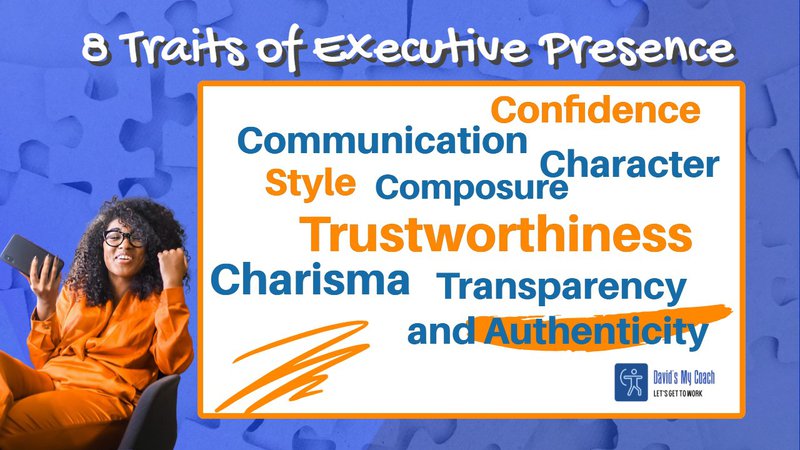
8 Essential Traits of Executive Presence
1. Confidence
Confidence is demonstrated through your words, voice, body language, and willingness to express your perspective.
It does not mean knowing everything. Confident leaders are comfortable asking questions, acknowledging uncertainty, and admitting when they need more information.
The goal is to communicate confidence without appearing arrogant.
2. Charisma
Charisma is your ability to engage people and create a connection.
You do not need to be the most outgoing person in the room. Genuine interest in others, active listening, and making people feel valued can create a strong and memorable presence.
3. Trustworthiness
Trust is fundamental to leadership.
Integrity, accountability, honesty, and consistency help establish credibility. Leaders build trust when their actions match their words, they take responsibility for mistakes, keep commitments, and give credit to others.
4. Relatability
Effective leaders understand that leadership is about people.
Being relatable means creating genuine connections, listening to different perspectives, showing empathy, and allowing others to see your human side while maintaining professionalism.
5. Composure
Your executive presence is often most visible during stressful situations.
Composure means managing your response rather than allowing pressure or emotion to control your behavior. Staying calm during disagreement, uncertainty, or difficult decisions helps others feel confident in your leadership.
6. Authenticity
Executive presence should not require you to become someone you are not.
Authentic leaders understand their values and strengths and allow those qualities to guide their leadership. Being willing to acknowledge mistakes and learn from them can also strengthen trust.
7. Concise Communication
Strong leaders know how to communicate an important message without unnecessary complexity.
Before speaking, identify the key point you want your audience to understand. Keep your message focused, clear, and relevant to the people listening.
8. Personal Style
There is no single personality or appearance that defines executive presence.
Your communication style, appearance, body language, voice, and behavior should reflect your personality while supporting credibility and professionalism.
The Three Pillars of Executive Presence
The eight traits can be viewed through three broader areas:
Character — Who You Are
Character includes integrity, accountability, authenticity, courage, and reliability.
Your character determines how you behave, particularly when situations become difficult.
Substance — What You Know
Substance is your knowledge, expertise, judgment, and ability to make sound decisions.
Continue learning, understand your industry, ask thoughtful questions, and develop the expertise needed to contribute valuable perspectives.
Style — How You Present Yourself
Style is how others experience your character and expertise.
Communication, body language, appearance, tone, and interpersonal skills all contribute to the impression you create.
Strong executive presence requires all three pillars. Style may create the first impression, but character and substance sustain credibility.

How to Develop Executive Presence
Executive presence develops through consistent practice and honest feedback.
Communicate Clearly
Know your audience, focus on your main message, and avoid unnecessary information. Speak with confidence and give others time to respond.
Become a Better Listener
Executive presence is not just about speaking. Listen carefully, ask thoughtful questions, avoid interrupting, and show that you value other perspectives.
Know Your Strengths
Understand what you bring to your role. Confidence grows when you recognize your experience, expertise, and ability to contribute.
Build Your Reputation
Be consistent in how you work with colleagues, clients, and leaders. Reliability, expertise, integrity, and collaboration all contribute to your professional reputation.
Stay Composed Under Pressure
Prepare yourself for difficult conversations and unexpected situations. Pause before responding, focus on the issue, and communicate your position thoughtfully.
Recognize Your Character, Substance, and Style
If you want to demonstrate Executive Presence, start with taking inventory. Identify what you value as a leader as well. Understanding how your colleagues experience you and where you stand as a leader is essential. Do you sense they pay attention as you’re speaking? Are you getting your point across and do you feel you have their respect?
The good news is leadership will always be a two-way street. You can lead others, but they will stand with you when they know they can trust you and depend on you when the pressure is on.

Don’t forget you are part of a team and organization with other leaders. Define what you value and care about. Leaders shape the culture of their organizations, so work on that as well. Remember, Executive Presence cannot be experienced or demonstrated in isolation. Great leaders lead in all dimensions of their influence.
Executive Presence is a skill that can be cultivated with time and practice. It’s about being authentic, developing relationships, communicating well, listening to others’ opinions, all while demonstrating your knowledge. With a coach like me, you will learn how to increase your confidence by utilizing the traits of executive presence to gain trust from those around you.
Final Thoughts
Executive presence is not about being the loudest or most charismatic person in the room. It is about becoming a leader people can trust, respect, understand, and follow.
Develop:
Character that earns trust.
Substance that creates credibility.
Style that communicates leadership.
With practice, self-awareness, and constructive feedback, executive presence can become one of the most valuable leadership skills you develop throughout your career.